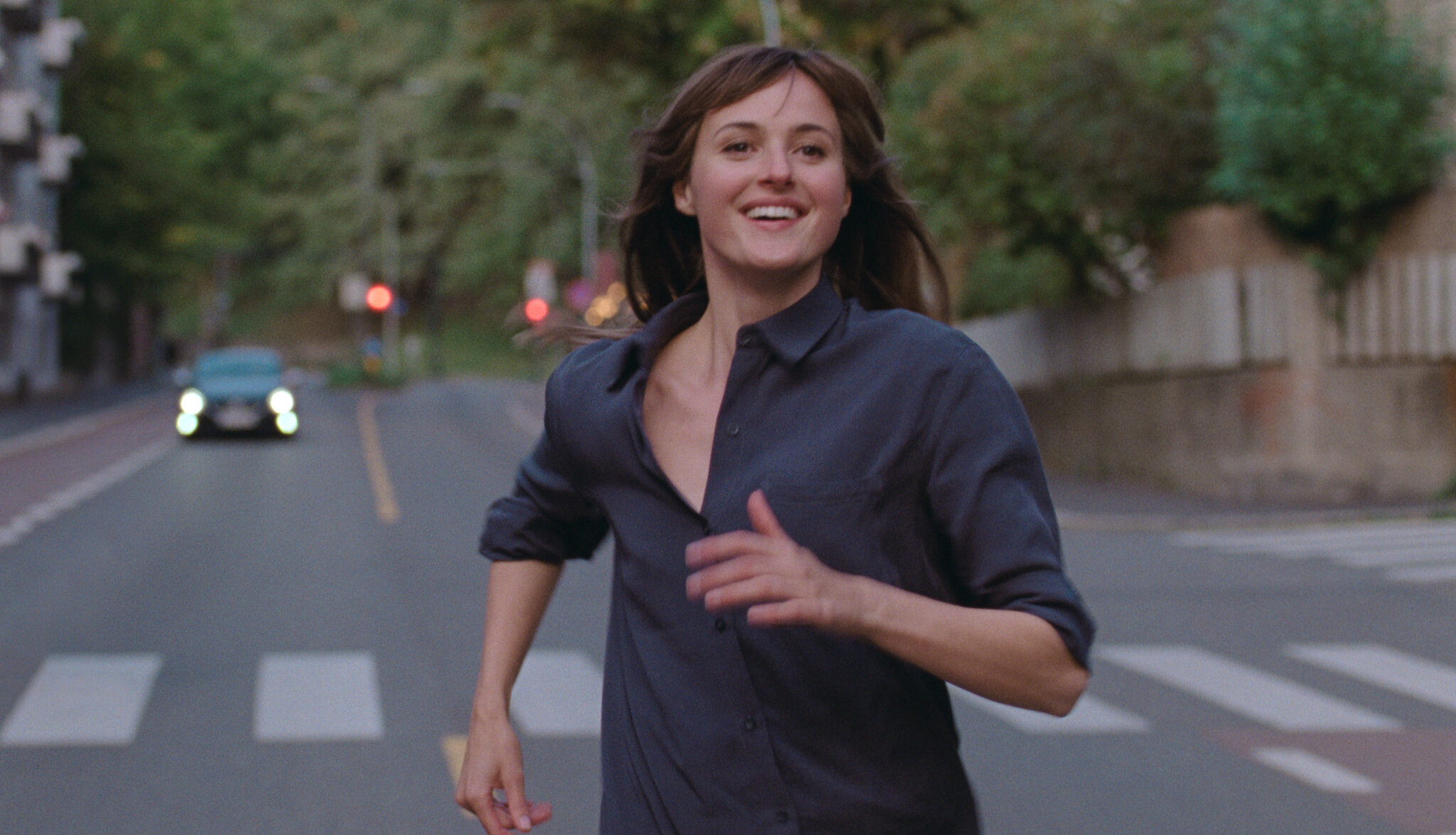
Are we living in the worst of eras? This is the question that haunts me as I watch Joachim Trier’s The Worst Person in the World, a film that captures the specific anxieties and contradictions of being young in the twenty-first century with such precision that it feels almost uncomfortably personal.
A new generation is born into a deluge of data. Everything seems attainable through shortcuts; the array of choices is dazzling. Yet, the widely criticized downside of this speed is a loss of depth: young people are gradually losing the simple joy of deeply experiencing a thing. Our fragmented attention spans leave us unable to focus on what we truly need, or even on the choices we have already made. This is Julie’s predicament. She is smart, she is ambitious, she has opportunities that previous generations could only dream of. But she cannot commit to anything. She changes careers, she changes relationships, she changes her mind about what she wants from life with a frequency that would be comic if it were not so tragic.
Is Julie truly the “worst person in the world”? She is aimless, contradictory, and helpless. She has no roadmap for her life and wavers in her relationships. In the end, she is solitary, still searching for a place to land. When I first watched this film, I judged Julie harshly. I saw her as selfish, as someone who hurt the people who loved her because she could not figure out what she wanted. But on subsequent viewings, I have come to see her differently. Julie is not cruel; she is simply honest about her uncertainty. She refuses to pretend that she has it all figured out, refuses to commit to a path just because it is expected of her.
But perhaps, for a woman untethered from religious or traditional constraints, a woman with full agency over her body, her sexuality, and her relationships, this sense of drift is not necessarily loneliness. Rather, it is the texture of reality when one confronts the sheer freedom of choice regarding reproduction, economy, and power. It is the experience of life’s inherent contradictions, the frantic back-and-forth, the turbulence of simply being. This is what the film captures so brilliantly: the way that freedom can feel like a burden, the way that having infinite choices can be paralyzing rather than liberating.
She never quite knows what she wants, and by the time she figures it out, she is often left with a trail of regrets. The “worst person in the world” is also the most ordinary person in the world. This film is real to the point of cruelty. Yet, looking at it from the other side of that cruelty, human beings are strangely endearing. There is a scene in which Julie crashes a party and meets Eivind, and for a few hours they walk through Oslo together, talking and flirting but not quite crossing the line into infidelity. The scene is structured like a fantasy, with time literally stopping around them. It is one of the most romantic scenes I have ever watched, precisely because nothing happens. It is all potential, all possibility, all the excitement of a new connection before reality sets in.
What I love about The Worst Person in the World is its refusal to judge Julie or to offer easy answers. The film understands that life is messy, that we hurt people even when we do not mean to, that we make mistakes and have regrets and keep moving forward anyway. It suggests that being the “worst person in the world” is simply part of being human, part of the process of figuring out who we are and what we want from life. And in that recognition, there is a strange kind of grace.