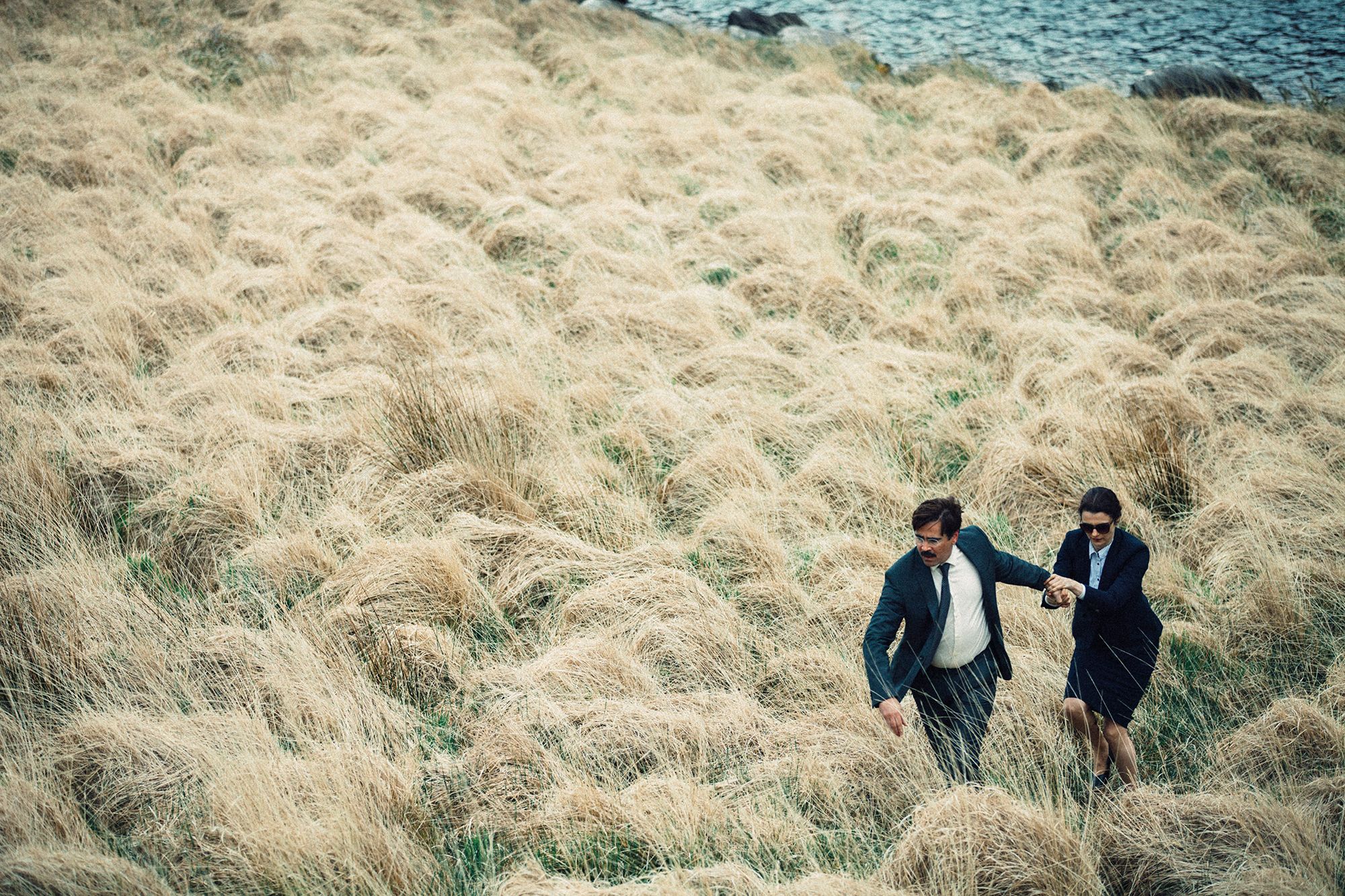
The Lobster is the weirdest film I’ve ever loved.
Yorgos Lanthimos creates this dystopian world where single people are sent to a hotel and given 45 days to find a romantic partner. If they fail, they’re turned into an animal of their choosing. The main character, David, chooses a lobster because they live for a long time and remain fertile their whole lives.
It’s absurd. It’s darkly comic. It’s also the most accurate depiction of modern dating I’ve ever seen.
The film is deadpan in its delivery. Everyone speaks in this flat, emotionless monotone. The violence is sudden and matter-of-fact. People are transformed into animals off-screen, and we just see the animal later, and everyone acts like it’s normal. The whole thing feels like a nightmare you can’t wake up from.
What makes The Lobster brilliant is how it takes the pressure we feel to couple up and makes it literal. The hotel guests are desperate to find matches, so they fake compatibility. One guy starts getting nosebleeds to match a woman who gets nosebleeds. Another pretends to be heartless to match a heartless woman. They’re not looking for love. They’re looking for any reason to avoid becoming an animal.
And I thought: isn’t that what we do? Contort ourselves to fit someone else’s expectations? Perform compatibility because being alone feels like a fate worse than death?
David eventually escapes the hotel and joins a group of “loners” in the forest who have the opposite rule: no romantic relationships allowed. If you’re caught flirting, you’re punished. If you’re caught kissing, they cut your lips off. It’s the other extreme—total isolation enforced by violence.
And David, of course, falls in love. With a woman who’s also short-sighted, like him. It’s the only thing they have in common. But in this world, that’s enough. That’s their compatibility marker.
The ending is brutal and ambiguous. The woman is blinded by the loner leader as punishment. David takes her to a restaurant and goes to the bathroom with a steak knife, planning to blind himself so they’ll still match. And the film ends with him sitting there, knife in hand, and we don’t know if he does it.
I sat through the credits, waiting for an answer, but Lanthimos doesn’t give one. And I realized: the answer doesn’t matter. The question is: how far would you go to maintain a connection? Would you mutilate yourself? Would you change who you are? Would you sacrifice your identity for love?
The Lobster is a film about the violence of conformity, the tyranny of coupledom, and the way society punishes people who don’t fit into neat categories. But it’s also weirdly romantic. Because even in this absurd, cruel world, people still try to connect. They still risk everything for the possibility of love.
I watched it with a friend who hated it. They said it was too weird, too cold, too mean. And I get that. It’s not a warm film. It’s not comforting. But it’s also one of the most honest films about relationships I’ve ever seen. It strips away all the romance and shows you the mechanics underneath: the desperation, the performance, the compromises, the violence we do to ourselves to avoid being alone.
Would I turn into a lobster to avoid being alone? Probably not. But would I contort myself, perform a version of myself I think someone wants, sacrifice parts of my identity to maintain a relationship? Yeah. I’ve done that. We’ve all done that.
The Lobster just makes it literal. And in doing so, it makes you see how absurd it is. How cruel. How human.