I don’t know if I can recommend Come and See. I don’t know if “recommend” is even the right word. This isn’t a film you enjoy. It’s a film you survive.
Elem Klimov’s Soviet war film follows a teenage boy named Flyora who joins the resistance during World War II. He thinks it will be an adventure. He thinks he’ll be a hero. And then he witnesses the systematic destruction of his village, his family, his entire world. And the film doesn’t look away. It shows you everything.
I watched Come and See alone, late at night, and I had to pause it multiple times because I couldn’t breathe. This is not a war film in the traditional sense. There are no heroic battles, no noble sacrifices, no moments of triumph. There is only horror. Relentless, suffocating horror.
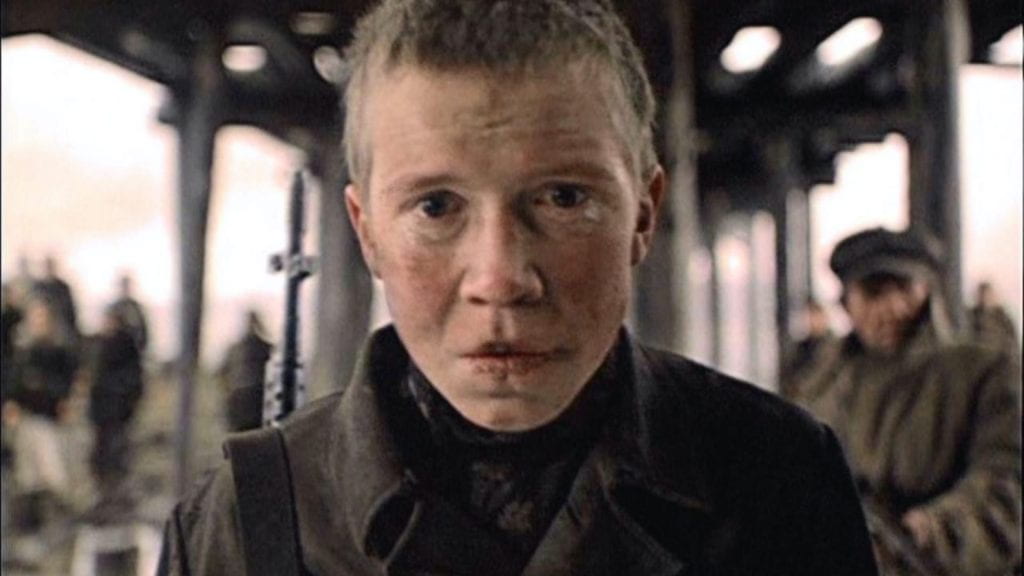
The film’s visual style is disorienting and nightmarish. The sound design is overwhelming—explosions, screaming, buzzing flies, the constant drone of war. The camera stays close to Flyora’s face, and we watch him age decades over the course of the film. By the end, his face is unrecognizable. He’s been hollowed out. Destroyed.
There’s a scene—the massacre scene—that I will never forget. The Nazis round up the villagers, lock them in a barn, and burn them alive. And Klimov doesn’t cut away. He shows you the faces of the people trapped inside. He shows you the soldiers laughing, taking photographs. He shows you Flyora watching, unable to help, unable to look away.
I had to stop the film. I sat in the dark, shaking, feeling sick. And I thought: this happened. This isn’t fiction. This is history. Real people experienced this. Real children watched their families burn.
Come and See is not entertainment. It’s a document. It’s a testimony. It’s Klimov saying: this is what war actually is. Not glory, not heroism, not adventure. Just suffering. Just cruelty. Just the complete annihilation of humanity.
The film ends with Flyora shooting at a portrait of Hitler, and as he shoots, we see archival footage running in reverse—Hitler as a baby, Hitler being un-born. And Flyora stops shooting. Because even Hitler was once a baby. Even monsters were once innocent. And the cycle of violence continues.
After I finished Come and See, I couldn’t watch anything else for weeks. I couldn’t even think about movies. Because what’s the point? What can cinema do in the face of such horror? How can art respond to atrocity?
But then I realized: this is what art should do. It should bear witness. It should refuse to look away. It should force us to confront the worst of humanity, not to entertain us, but to remind us. To make sure we never forget.
Come and See is one of the most important films ever made. It’s also one of the most difficult. I will probably never watch it again. Once was enough. Once was almost too much. But I’m glad it exists. I’m glad Klimov made it. I’m glad I watched it.
Because some things should not be forgotten. Some horrors need to be witnessed. Even when it hurts. Especially when it hurts.